Technology & Software
Product companies need fast, credible sites with clear messaging, technical accuracy and strong conversion paths.
The South Bay moves quickly. Businesses in San Jose, Santa Clara, Sunnyvale, Cupertino, Campbell and Los Gatos are surrounded by technology, but that does not mean every company needs the newest platform or the most complicated system. It means the technology has to be useful, scalable and built around a real business objective.
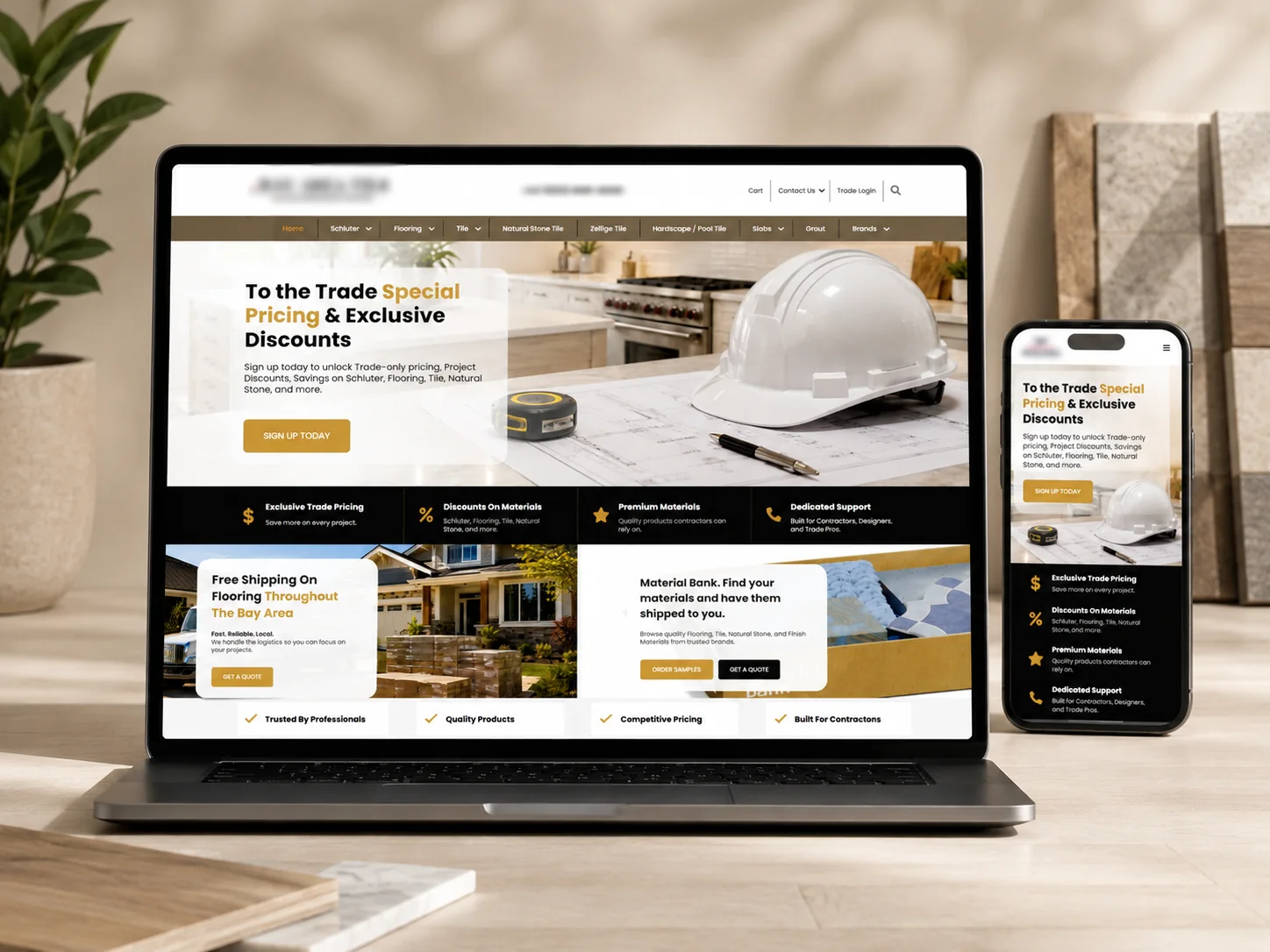
South Bay conversations often move quickly from “we need a new website” to a much larger issue. Maybe a company needs to automate an internal process, organize hundreds of products, improve recruiting, connect several systems or build a custom portal. The website is sometimes only the visible portion of the project.
A South Bay audience will quickly spot generic templates or weak technical claims. Mike builds custom websites and applications that hold up under technical review, with performance, schema, accessibility and integration handled correctly from the start. The goal is not to impress with jargon. It is to solve the right problem with the right technology.
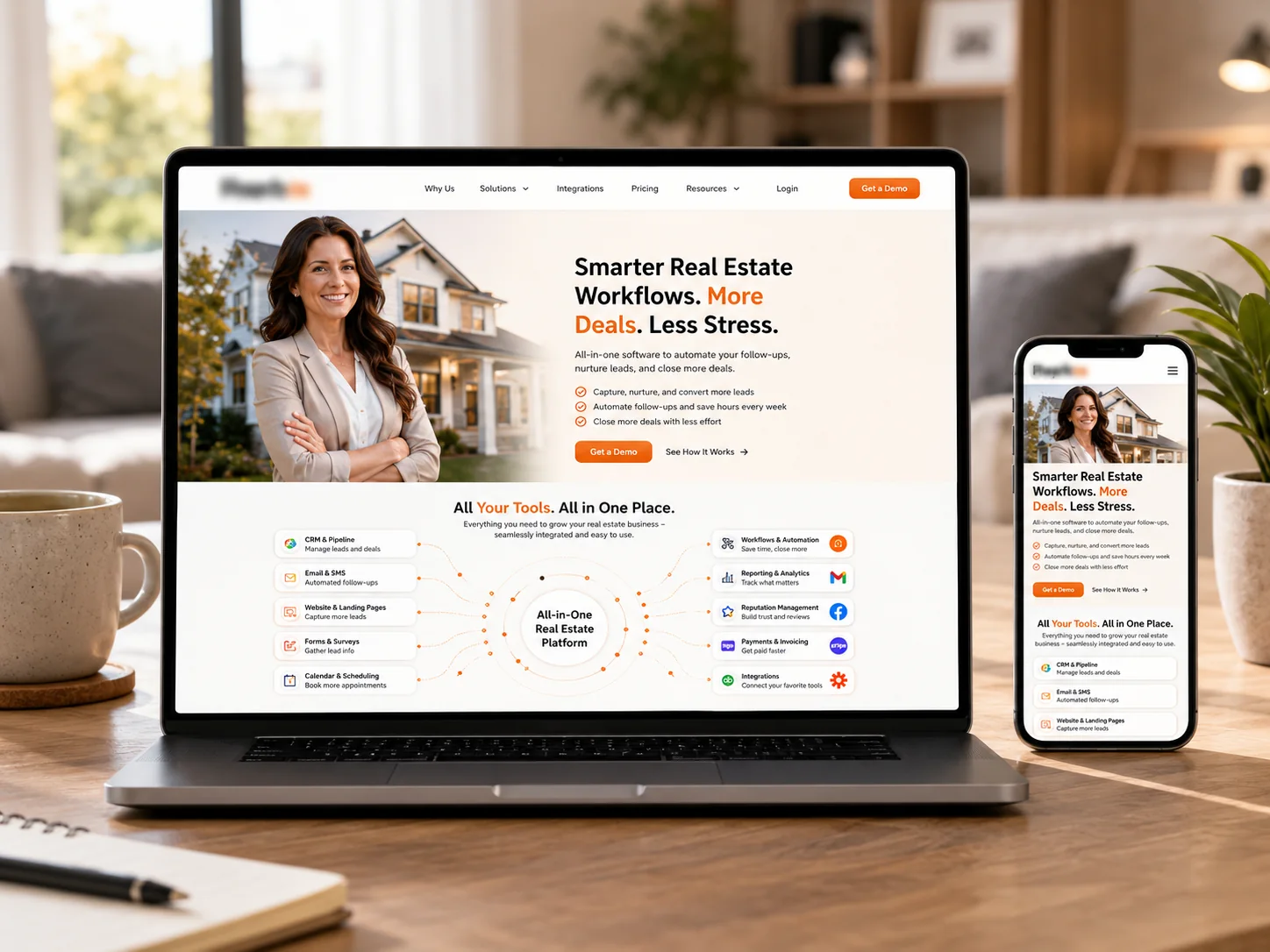
A South Bay company may arrive asking for a marketing website and discover that the larger opportunity is operational. A custom application, automated workflow or secure portal may save more time and money than another set of landing pages. That is why Mike starts with the business problem instead of assuming the answer.
The platform choice follows the strategy. Custom HTML, Shopify, Wix, Squarespace, WordPress, custom applications and API integrations are all available, and each is chosen based on what the project actually requires. There is no default platform because there is no default business.
Product companies need fast, credible sites with clear messaging, technical accuracy and strong conversion paths.
Agencies need job boards, application workflows and content that attracts both candidates and clients.
Technical companies need clear explanations of complex offerings, lead qualification and longer sales-cycle support.
Service companies need authority, case studies and easy ways for prospects to start a conversation.
Equipment companies need product catalogs, quote requests and service-area clarity.
Online stores and training organizations need scalable architecture, content and checkout flow.
South Bay website projects can connect marketing with operations. Discuss requirements such as a product catalog, application workflow or customer portal before choosing a platform. The scope should identify the integrations, content and maintenance your team will need.
San Jose, Santa Clara, Cupertino, Sunnyvale, Campbell, Los Gatos and nearby communities. Each project is scoped around the cities the business genuinely serves.
Clarify the digital strategy for your South Bay business before investing in a website, platform or campaign.
Explore consultingBuild the right website, ecommerce system or application for the way your South Bay business actually works.
Explore websitesStrengthen regional relevance and visibility throughout South Bay and the wider Bay Area.
Explore local SEOExplore neighboring regions: East BaySan FranciscoPeninsulaNorth Bay.
Yes. The work is tailored to audiences that evaluate digital products and services carefully, with clear architecture and honest technical claims.
Yes. Custom web applications, business portals, ecommerce systems and third-party integrations are core services.
SEO focuses on search intent, site performance, structured data and content that answers real questions rather than keyword stuffing.
The recommendation depends on the business problem. Custom HTML, Shopify, Wix, Squarespace, WordPress and custom applications are all options.
South Bay companies often know exactly what they need, but they are not sure how to assemble it. They may have an outdated marketing site, a separate CRM, a manual quoting process and a team that spends too much time on repetitive tasks. The website becomes the entry point to a bigger operational conversation.
Mike maps the customer and internal workflows before choosing tools. Where does a lead enter? Where does it go? What does the team need to see? What should happen automatically? Those questions determine whether the project is a simple site rebuild, a custom portal, an integration or a full application.
The technology is chosen after the workflow is understood. Sometimes that means a headless CMS connected to a third-party API. Sometimes it means a no-code automation that saves hours every week. Sometimes it means a custom application built specifically for the business. The common thread is that every decision is tied to a measurable outcome, not a trend.
South Bay clients tend to appreciate transparent communication, clean code and documentation. They want to know what was built, why it was built that way and how to maintain it. Mike’s process is designed for exactly that audience.
Platform independence matters in the South Bay because businesses here are often locked into tools that no longer fit. A Shopify store may have outgrown its theme. A Salesforce integration may be eating budget. A WordPress site may be held together by plugins. Mike evaluates the existing stack honestly and recommends the simplest path that meets the long-term need.
The most common mistake in the South Bay is building for the technology instead of the business. A team may fall in love with a framework, a platform or an AI tool and forget that the goal is to solve a problem. The second mistake is over-engineering the first version. A fast, simple site that launches and learns is usually better than a complex system that takes six months to ship. The third mistake is ignoring maintenance. Technology changes quickly, and a site that cannot be updated becomes a liability.
Mike avoids these mistakes by keeping the business objective at the center. The right tool is the one that solves the problem with the least long-term risk. The first version is scoped to prove value. Maintenance and documentation are built in from the start.
The first step is a technical and business discovery call. Mike will ask about the workflow, the existing stack, the audience and the desired outcome. He will look at current systems and identify integration points. Then he will propose a plan that may include a new site, a custom application, an automation or a combination. The build is phased, documented and tested before launch.
Start with an honest conversation about your goals, challenges and opportunities.