
Established Local Businesses
Companies that have built a reputation in their community and need a digital presence that reflects the quality of their work.
The Bay Area may look like one market on a map, but anyone who works here knows better. A family-owned contractor in Concord faces a different set of challenges than a professional services firm in San Francisco, a technology company in San Jose or a hospitality business in Napa. The website, message and growth strategy have to reflect those differences.
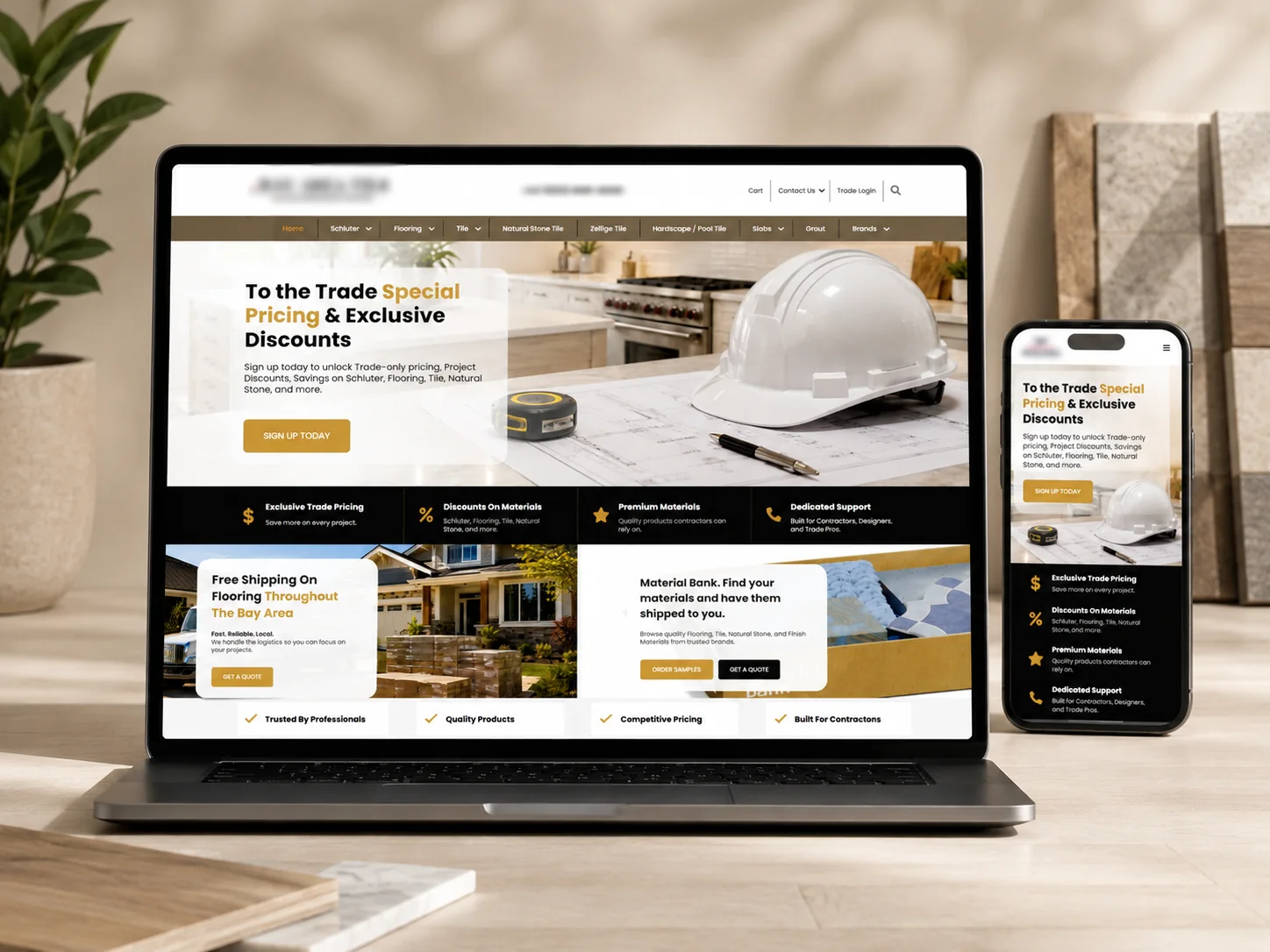
Mike has spent more than twenty years working with Bay Area businesses. He has built websites, custom applications, ecommerce stores and marketing strategies for companies across every part of the region. That experience has made one thing clear: a single template does not work everywhere.
A contractor in Martinez needs to show up when someone searches for their trade. A professional services firm in San Francisco needs to communicate authority in the first five seconds. A winery in Napa needs visual storytelling and an easy booking path. A South Bay technology company needs clean architecture and honest technical claims. The starting point is never the platform. It is always the business, the customer and the local market.
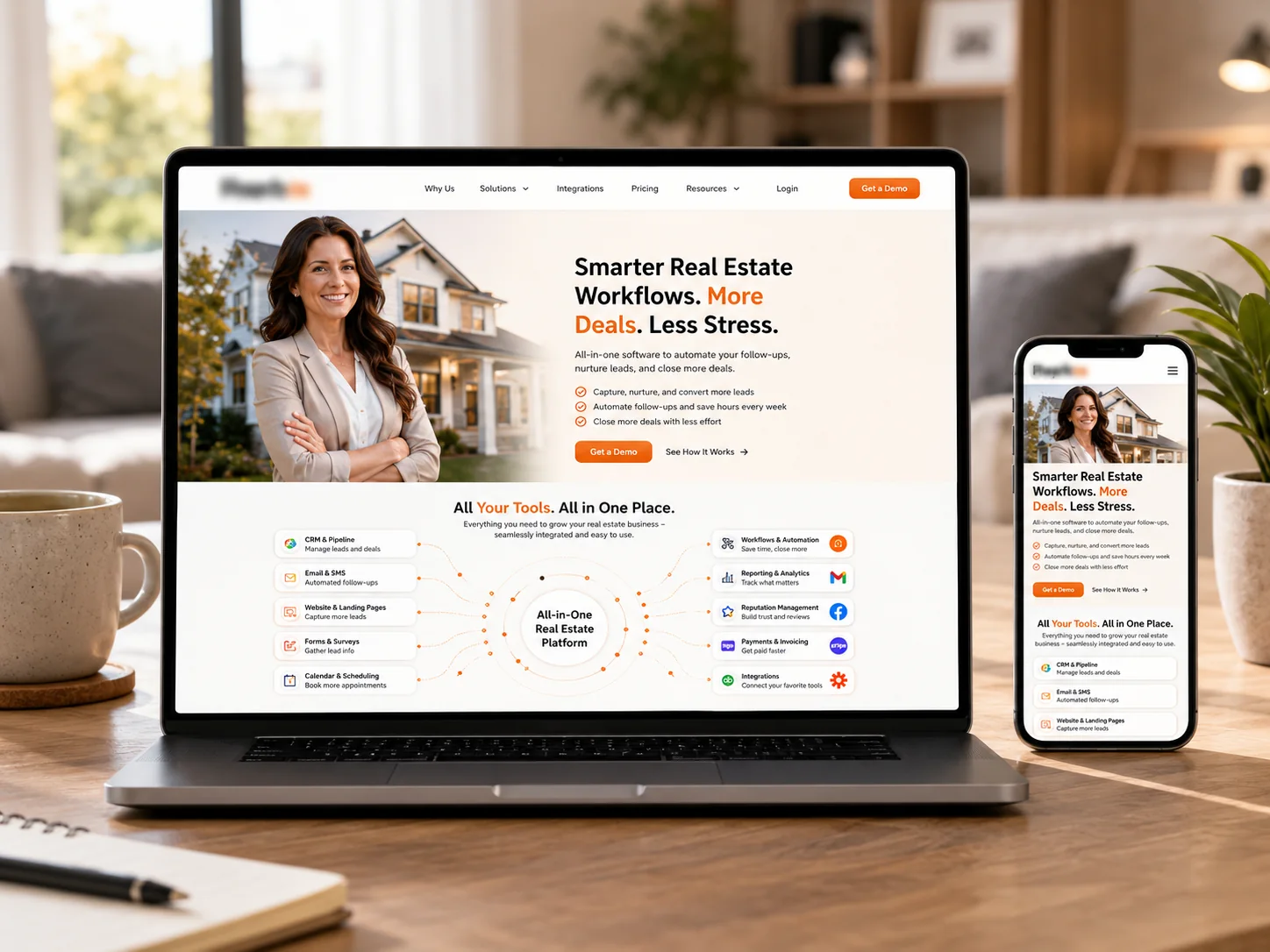
Companies that have built a reputation in their community and need a digital presence that reflects the quality of their work.
Painting, plumbing, HVAC, flooring, landscaping and property-service companies that rely on local search and clear service pages.
Medical, dental, therapy and wellness practices that need trustworthy websites, appointment paths and professional content.
Legal, financial, consulting and B2B service firms that need credibility, clarity and strong conversion paths.
Stores selling products online or locally and needing product organization, payment flow and search visibility.
Commercial equipment, industrial service and manufacturing companies with technical offerings and longer sales cycles.
Organizations that need to communicate mission, collect donations, promote events and serve their communities.
Agencies and staffing firms that need job boards, application workflows and strong local visibility.
Startups, software companies and product teams needing clean marketing sites, portals and technical credibility.
Wineries, restaurants, event venues and travel businesses that need visual impact, booking and mobile usability.
Work with Mike remotely by phone, video and shared project updates. Each project starts with your services, your customers and the Bay Area communities you actually serve.
Explore the regional pages for service information, then contact Mike to discuss your website and priorities.
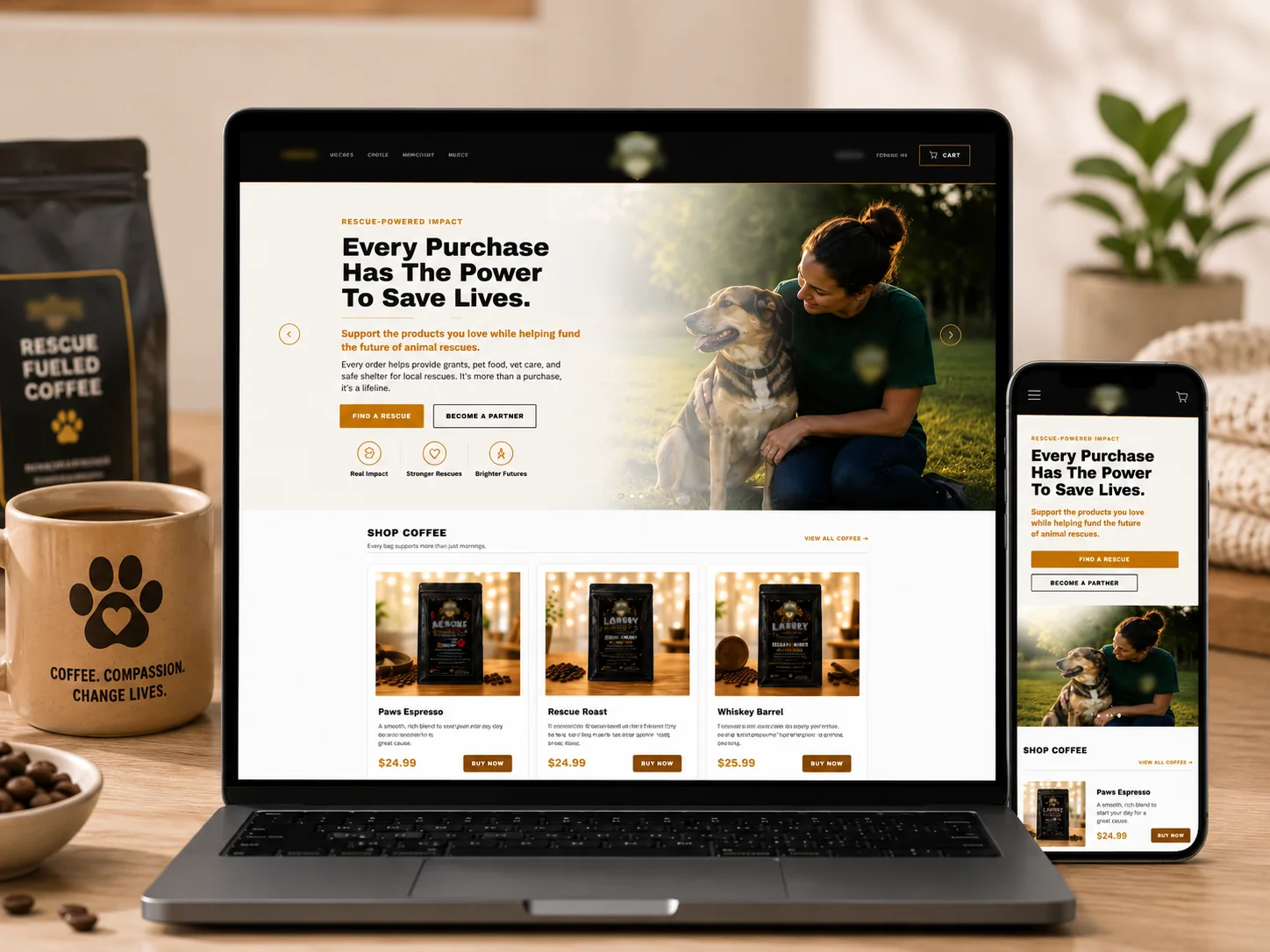
Each region has its own page with locally relevant industries, examples and service information. Choose the region that best matches your business: East Bay, San Francisco, South Bay, Peninsula or North Bay.
Search engines have become very good at detecting generic, templated pages. A page that simply swaps city names is unlikely to rank and can even hurt the rest of the site. That is why Mike takes the time to build genuinely different regional pages. Each one reflects real experience, real industries and real customer problems in that part of the Bay Area.
This approach also helps visitors. A contractor searching from Concord wants to know the company understands Concord. A startup in San Francisco wants to know the designer can handle a premium, competitive market. A winery in Napa wants to see work that feels like the wine country. The regional pages answer those questions before the first conversation.
Over time, this builds authority. Instead of one thin page trying to rank for every city, the site develops strong regional pages supported by service pages, customer proof and internal links. That is the foundation for sustainable local search visibility.
The fastest way to see if the approach fits your business is to start with a short conversation. Tell Mike where you are located, what you do and what is not working. He will give you an honest assessment of whether the project is a fit and what the first steps would look like.
Every Bay Area engagement starts with the same question: what is the business trying to accomplish? From there, Mike identifies the audience, the competitive landscape and the current gaps. The solution may be a new website, a local SEO campaign, a custom application or a complete digital strategy. The tactics always follow the strategy, not the other way around.
This approach prevents the common mistake of building a beautiful site that does not solve the right problem. It also prevents the mistake of chasing every new tool without considering whether it fits the business. The result is a focused, measurable project that the business can grow with.
Many websites try to rank in every city by creating pages that are nearly identical except for the city name. Search engines have become very good at recognizing this pattern, and they usually ignore those pages. Worse, they may treat them as low-quality content that drags down the rest of the site. The only way to build regional authority is to create genuinely useful, locally specific content.
That is the standard behind these Bay Area pages. Each one is written for a real region, with real industries, real customer problems and a real sense of how business is done there. The pages link to one another so visitors and search engines can navigate the service area naturally. They also connect to the core service pages, so a regional visitor can move from local context to specific capability.
This approach takes more effort than a template, but it is the only approach that lasts. A site built on genuine local knowledge will continue to perform even as search algorithms and competitors change.
Start with an honest conversation about your goals, challenges and opportunities.